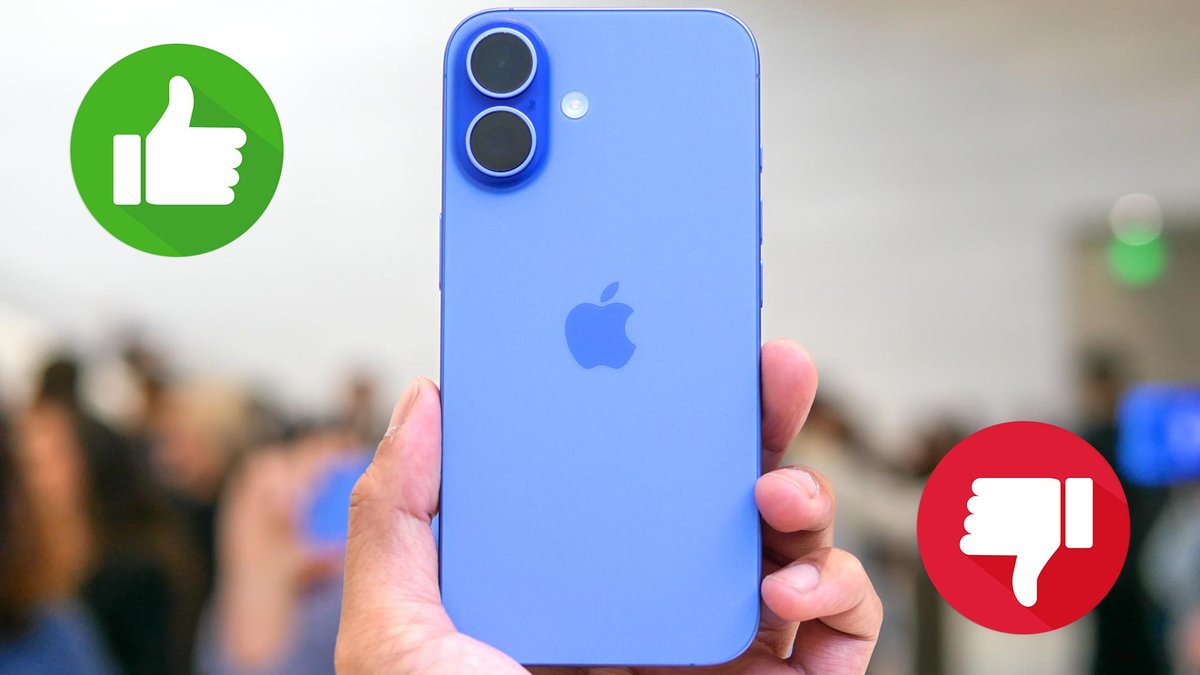
Choosing a new iPhone can feel like navigating a maze of specs and marketing jargon. But when it comes to the latest generation, the question "Who should buy the iPhone 16? (Pros & Cons)" cuts straight to the chase. Is it worth the investment? Does it offer the right balance of features for your needs? We're here to unpack exactly that, cutting through the noise to help you make an informed decision.
This isn't about telling you what's "best" universally; it's about identifying which iPhone 16 model aligns with your priorities, budget, and current tech.
At a Glance: Key Takeaways
- iPhone 16 & 16 Plus: Best for budget-conscious users, everyday photography, and those who prioritize bold color options. You get Apple Intelligence and a solid experience without the Pro premium.
- iPhone 16 Pro & 16 Pro Max: Ideal for creative professionals, serious photographers/videographers, and users who demand the absolute best display, camera, and fastest performance. Expect a significantly higher price tag.
- Upgrade from iPhone 15/15 Plus: Worth it primarily for Apple Intelligence features, which require the A18 chip found in the iPhone 16 series.
- Upgrade from iPhone 14 Pro/Pro Max: A strong recommendation for photography enthusiasts due to substantial camera improvements.
- Upgrade from iPhone 14 or Older: Highly recommended. You’ll experience significant jumps in processor power, camera quality, display brightness, battery life, and access to modern AI features.
Navigating the iPhone 16 Lineup: What's Available?
The iPhone 16 series introduced four distinct models, catering to different users and budgets. Currently, the standard iPhone 16 and iPhone 16 Plus are sold new directly from Apple and authorized retailers. These models represent the mainstream offering, delivering advanced features at a more accessible price point.
The more powerful iPhone 16 Pro and iPhone 16 Pro Max have been discontinued, meaning you won't find them new from Apple. However, they remain excellent devices and are readily available on the used or refurbished market, often at a reduced cost compared to their original introduction price. This opens up an interesting option for those seeking Pro-level features without paying the full new price.
Regardless of which iPhone 16 model you choose, every variant runs on iOS 26, the latest operating system, and fully supports the groundbreaking Apple Intelligence features.
The Foundation: Features Shared Across All iPhone 16 Models
Before we dive into the differences, it's important to understand the robust foundation that all iPhone 16 models share. These core features ensure a premium, modern smartphone experience no matter which version you pick:
- Powerful Performance: All models come equipped with 8 GB of RAM, ensuring smooth multitasking and responsive app performance.
- Next-Gen Connectivity: Full 5G support provides blazing-fast cellular data speeds where available.
- Dynamic Island: This innovative interface element seamlessly integrates alerts, notifications, and ongoing activities into a fluid, adaptive pill-shaped cutout at the top of the display.
- Apple Intelligence: This is a major headline feature. All iPhone 16 models are powered by chips capable of handling on-device Apple Intelligence tasks, bringing advanced AI capabilities directly to your phone.
- Camera Control Button: A new, dedicated physical button designed for quick access to camera functions, making it easier to capture photos and videos.
- Industry-Standard USB-C Port: Say goodbye to Lightning cables. All iPhone 16 models feature a USB-C port for charging and data transfer, enhancing compatibility with a wide range of devices.
- eSIM-Only in the US: For models sold in the United States, there's no physical Nano SIM card slot. You'll rely entirely on eSIM for cellular service.
With these shared strengths in mind, let's break down the unique advantages and considerations for each segment of the iPhone 16 lineup.
The iPhone 16 and iPhone 16 Plus: Everyday Brilliance, Smarter Tech
These are the workhorses of the iPhone 16 lineup, designed for the vast majority of users who want a fantastic smartphone experience without necessarily needing every bleeding-edge pro feature. They deliver significant upgrades over older models and still pack a serious punch.
Pros of the iPhone 16 / 16 Plus
- More Accessible Price Point: Compared to their Pro counterparts, the standard iPhone 16 models are significantly less expensive, often by at least US$200 at launch. This makes high-end Apple technology more attainable.
- Very Good Battery Life: You won't be constantly searching for a charger. Both the iPhone 16 and the larger iPhone 16 Plus offer excellent battery endurance for day-to-day usage.
- Bold, Expressive Colors: If you love your phone to reflect your personality, the 16 and 16 Plus come in a vibrant palette of five colors: Ultramarine (Blue), Teal, Pink, White, and Black.
- Quality Dual-Lens Rear Cameras: While not "Pro" level, the dual-lens camera system on these models is very capable. It takes crisp, detailed photos and excellent videos, perfect for sharing memories and social media.
- Dual SIM/eSIM as Standard: For those who need two numbers on one device (e.g., work and personal, or international travel), the Dual SIM/eSIM functionality is built right in.
Cons of the iPhone 16 / 16 Plus
- Lower Quality Displays: While still beautiful, the displays on the iPhone 16 and 16 Plus don't quite match the brightness, resolution, or advanced features (like ProMotion's adaptive refresh rate or Always-On capability) of the Pro models.
- Less Advanced Rear Cameras: The dual-lens system, though good, lacks the professional-grade capabilities of the Pro models. This includes the absence of a dedicated telephoto lens and support for formats like ProRAW and ProRes, which are crucial for serious photographers and videographers.
- Storage Caps at 512 GB: For most users, 512 GB is ample, but if you store massive amounts of 4K video, high-resolution photos, or numerous large apps, you might eventually hit this ceiling.
- Slower USB 2 (480 Mb/s) Transfer Speeds: While it uses the convenient USB-C port, data transfer speeds are limited to the older USB 2.0 standard. If you frequently transfer large files to and from your computer, this can feel noticeably slow.
Who Should Buy the iPhone 16 / 16 Plus?
You're likely an ideal candidate for the iPhone 16 or iPhone 16 Plus if:
- You're on a budget but want a current-gen iPhone: The cost savings are significant, allowing you to access Apple Intelligence and other modern features.
- Your phone is mainly for everyday tasks: Browsing, social media, casual photography, communication, and streaming.
- You appreciate vibrant color choices: The bold finishes are a standout feature.
- You're not a professional photographer or videographer: While the cameras are great, you don't need the granular control or specialized formats of the Pro models.
- You're upgrading from an iPhone 14 or older: You'll experience a dramatic improvement across the board (more on this later).
The iPhone 16 Pro and iPhone 16 Pro Max: Pushing the Boundaries
For those who demand the pinnacle of smartphone technology, the iPhone 16 Pro and 16 Pro Max offer an unparalleled experience. These models are designed for power users, creatives, and anyone who wants the very best Apple has to offer. Remember, these are now primarily available on the used or refurbished market.
Pros of the iPhone 16 Pro / 16 Pro Max
- Stunning Super Retina XDR with ProMotion OLED Displays: This is arguably the biggest differentiator. You get a brighter, higher-resolution display with an adaptive refresh rate (ProMotion) that makes scrolling incredibly smooth and responsive. Plus, the "Always-On" capability shows glanceable information without fully waking the screen.
- Excellent Battery Life: Even with their more demanding displays and features, the Pro models boast excellent battery longevity, often slightly surpassing the standard models.
- Premium Titanium Design & Subdued Colors: The Pro models feature a durable titanium frame and come in sophisticated, muted colors: Desert (Beige-Gold) Titanium, Natural Titanium, White Titanium, and Black Titanium.
- LiDAR Capability: This sensor enhances augmented reality (AR) experiences, improves low-light autofocus for photos and videos, and enables precise depth mapping.
- Impressive Triple-Lens Rear Camera System: This is where the Pro truly shines for imaging. With multiple lenses (including a telephoto), you get incredible versatility, professional-grade image quality, and support for ProRAW photos and ProRes video, essential for advanced editing.
- New Camera Control Button: Shared with the standard models, this dedicated button offers tactile control over your camera, making capturing shots faster and more intuitive.
- "Studio Quality" Four-Mic Array: For pristine audio recording, whether it's for interviews, videos, or voice memos, the Pro models offer a superior microphone setup.
- Up to 1 TB Storage Option: If you're a content creator or simply hoard digital files, the option for 1 TB of storage provides immense peace of mind.
- Fast USB 3 (10 Gb/s) Transfer Speeds: Unlike the standard models, the Pro variants leverage the full potential of USB-C, offering significantly faster data transfer speeds, which is a boon for moving large media files.
Cons of the iPhone 16 Pro / 16 Pro Max
- Very Expensive Upon Introduction: These models commanded a premium price tag, making them a significant investment. While available used now, they still hold their value well.
- Relatively Heavy: Due to their advanced components, larger batteries, and premium materials, the Pro models are noticeably heavier than their standard counterparts. This might be a factor for those who prefer a lighter phone.
Who Should Buy the iPhone 16 Pro / 16 Pro Max?
Consider the iPhone 16 Pro or Pro Max if:
- You're a photographer, videographer, or content creator: The camera system, ProRAW/ProRes support, and LiDAR capabilities are invaluable.
- You demand the absolute best display: The ProMotion OLED with Always-On is a visual treat for gaming, streaming, and everyday use.
- You frequently transfer large files: The fast USB 3.0 speeds will save you time.
- You prioritize cutting-edge performance and features: You want the most powerful iPhone available from this generation.
- You're upgrading from an older Pro model (e.g., iPhone 13 Pro): The advancements, especially in the camera and display, will be immediately apparent and highly appreciated.
- You're comfortable buying a high-end device on the used market: Since they're discontinued, this is your primary avenue.
Head-to-Head: Pro vs. Non-Pro – Where Your Money Really Goes
The "Pro" moniker isn't just marketing; it signifies a substantial leap in several key areas. When the iPhone 16 Pro models were introduced, they cost at least US$200 more than their non-Pro equivalents. That price difference bought you a suite of upgrades that significantly enhance the user experience, particularly for demanding tasks.
Here's a breakdown of what that extra expense primarily delivered:
- Substantially Higher Quality and Slightly Larger Display: The Pro models feature brighter, higher-resolution OLED displays with ProMotion (adaptive refresh rate up to 120Hz) and Always-On functionality. This translates to smoother visuals, more vibrant colors, and a more immersive viewing experience.
- More Advanced Rear Camera with Professional Capabilities and File Formats: This is a major one for creatives. The Pro models offer a superior triple-lens system with more optical zoom, larger sensors, and the ability to capture photos in ProRAW and videos in ProRes—formats essential for post-production work.
- Slightly Better Battery Life: While both lineups have excellent battery life, the Pro models often eke out a bit more endurance, thanks to optimizations and potentially larger physical batteries.
- Slightly Faster Overall Performance with an Extra GPU Core: The A18 Bionic chip in the Pro models sometimes has an additional GPU core, leading to marginal gains in graphics-intensive tasks like gaming or video editing. However, the A18 across all models is already incredibly powerful.
- Faster USB 3 (10 Gb/s) Charging and Data Transfer via USB-C: As mentioned, the Pro models unlock the full potential of the USB-C port for rapid data transfers, a crucial feature for professionals dealing with large files.
- Better Microphone (Studio-Quality Four-Mic Array): For anyone recording audio, the enhanced microphone system on the Pro models makes a noticeable difference in clarity and fidelity.
- LiDAR Support: This depth-sensing technology improves AR experiences and low-light photography.
- Option for More Storage (Up to 1 TB): For power users who need vast amounts of local storage, the 1 TB option on Pro models is a significant advantage.
Ultimately, for most everyday users, the decision of whether to get a Pro or non-Pro iPhone 16 comes down to two primary considerations: the superior display and/or the more advanced camera system. If these two aspects are critical to your daily usage or professional work, the Pro models justify their additional cost (even on the used market). However, if you're on a budget, or if you're not a professional photographer or videographer, the iPhone 16 or iPhone 16 Plus will likely be a more sensible and satisfying choice.
If you're still weighing the options, exploring whether the iPhone 16 is truly worth it for your specific needs can provide further clarity. Check out our detailed guide on Should you get the iPhone 16? to dive deeper into the value proposition.
Is It Time for an Upgrade? Your Guide by Current iPhone Model
Apple's iPhone 16 models brought significant advancements, especially with the introduction of on-device Apple Intelligence. While iOS 26 can run on iPhones up to six years old, those coveted AI features require at least an A17 Pro chip (found in iPhone 15 Pro/Pro Max) or an A18 chip (exclusive to the iPhone 16 series). This makes the A18 a major factor for upgrading.
Let's break down whether making the jump to an iPhone 16 is recommended based on your current iPhone.
From iPhone 15 / iPhone 15 Plus
- New in iPhone 16: You're getting the brand-new A18 chipset (two generations ahead of the A16 Bionic in your current phone), an ultrawide camera with Macro photo support, the new Action button (if upgrading to a Pro model), and the Camera Control button.
- Worth Upgrading? Yes. The primary driver here is Apple Intelligence. Your iPhone 15/15 Plus, while excellent, uses the A16 Bionic chip, which cannot support on-device Apple Intelligence features. Upgrading to an iPhone 16 ensures you get the full, seamless AI experience.
From iPhone 14 Pro / iPhone 14 Pro Max
- New in iPhone 16: You'll benefit from the new Camera Control button, and the Action button will be new to you as well. Camera-wise, there's a tetraprism telephoto lens (now standard, previously an iPhone 15 Pro Max exclusive), a Fusion main camera, and a 48MP ultrawide shooter. You'll also gain the lighter titanium frame and USB-C connectivity that were introduced with the iPhone 15 Pro models.
- Worth Upgrading? Yes. This upgrade is primarily for significantly better photos. Over two generations, Apple has packed numerous camera improvements into the iPhone 16 Pro/Pro Max. While your A16 Bionic chip still performs well, the camera advancements alone are substantial enough to justify the jump, especially if photography is important to you.
From iPhone 14 / iPhone 14 Plus
- New in iPhone 16: This is a more noticeable jump. You're upgrading from a 12MP to a 48MP main camera (which offers effective 2x optical zoom via cropping), you'll get the brighter displays that were introduced with the iPhone 15, and most importantly, the A18 Bionic chip (a significant leap from your A15 Bionic).
- Worth Upgrading? Yes. You will experience a noticeably better device across the board. Improvements in processor speed, screen brightness, and camera capabilities will make your daily interactions much more fluid and enjoyable.
From iPhone 13 Pro / iPhone 13 Pro Max
- New in iPhone 16: You'll see a major upgrade from a 12MP to a 48MP camera system. Your notched display will be replaced by the more modern and functional Dynamic Island. And your A15 Bionic chip will jump to the much more capable A18 Bionic.
- Worth Upgrading? Yes. Apple truly began differentiating Pro models from the standard lineup starting with the iPhone 14 Pro. Upgrading to an iPhone 16 Pro will highlight these advancements in camera, display, and processing power, making it a very impactful upgrade.
From iPhone 13 / iPhone 13 mini
- New in iPhone 16: This constitutes a major leap. You'll go from an A15 Bionic to the A18 silicon (enabling all the Apple Intelligence features). You'll get significantly better cameras, longer battery life, the interactive Dynamic Island, and new physical buttons. (Note: The mini model is no longer available, so you'd be looking at a larger 6.1-inch iPhone 16, which is still quite compact.)
- Worth Upgrading? Yes. This is a considerable leap forward. You'll feel the difference in speed, battery endurance, and photo quality. The addition of Apple Intelligence and the modern design elements will make your phone feel brand new.
From All iPhone 12 Models (and Older)
- Key Differences: Your iPhone 12 model lacks 120Hz displays, uses the older A14 chip, features less advanced 12MP camera sensors, and likely exhibits less competitive battery life compared to current models. While 5G was a marquee feature then, it's now standard and much more refined.
- Worth Upgrading? Yes, highly recommended. An upgrade to any iPhone 16 model will provide significantly better cameras, vastly faster processors, much larger and longer-lasting batteries, and access to modern AI features. This move will effectively bring you into the current era of Apple smartphones, offering an experience that is several generations ahead.
Key Decision Factors for Your iPhone 16 Purchase
When you're ready to pull the trigger on an iPhone 16, consider these essential questions to guide your choice:
1. Your Budget
This is often the first and most crucial factor.
- Strict Budget? The iPhone 16 or 16 Plus offers the best value for getting into the current generation with Apple Intelligence.
- Flexible Budget / Open to Used Market? If you can afford the higher price tag (or find a good deal on a used Pro model), the Pro series delivers premium features.
2. Photography & Videography Needs
- Casual Snapper/Social Media User? The dual-lens cameras on the iPhone 16/16 Plus are more than sufficient.
- Serious Hobbyist / Professional Creator? The triple-lens system, ProRAW/ProRes support, and LiDAR on the iPhone 16 Pro/Pro Max are essential tools.
3. Display Quality Preference
- Good Enough for Everyday? The displays on the standard iPhone 16 models are excellent, bright, and vibrant.
- Only the Best Will Do? The ProMotion, Always-On, Super Retina XDR display of the Pro models offers a noticeably superior visual experience for media consumption, gaming, and general smoothness.
4. Storage Requirements
- Up to 512 GB is Fine? The standard iPhone 16 models will meet your needs.
- Need Massive Storage (1 TB+)? The iPhone 16 Pro/Pro Max is your only option for 1 TB.
5. Performance Demands
- Everyday Apps and Light Gaming? All iPhone 16 models offer exceptional performance.
- Heavy Gaming, Pro-level Video Editing on Device, AR Applications? The Pro models, with their potentially extra GPU core and LiDAR, offer a slight edge for the most demanding tasks.
6. Transfer Speed Needs
- Rarely Transfer Large Files to a Computer? The USB 2.0 speeds of the standard iPhone 16 are perfectly adequate.
- Frequently Transfer Large Videos/Photos? The USB 3.0 speeds of the Pro models will save you significant time.
7. Physical Design & Weight
- Prefer Lighter Phone / Bold Colors? The iPhone 16/16 Plus could be a better fit.
- Prefer Premium Feel / Subdued Titanium Colors / Don't Mind the Weight? The iPhone 16 Pro/Pro Max is for you.
Addressing Common Questions & Misconceptions
Let's clear up some common thoughts you might have about the iPhone 16 series.
"Do I really need Apple Intelligence?"
While your current iPhone might run iOS 26, on-device Apple Intelligence features require the A17 Pro (iPhone 15 Pro/Pro Max) or A18 chip (all iPhone 16 models). This means if you want to experience the full suite of AI enhancements—like advanced photo editing suggestions, personalized writing tools, or more intelligent Siri interactions that understand context—an iPhone 16 is currently your entry point. For many, this represents the next frontier of smartphone interaction and is a significant reason to upgrade.
"Is USB-C the same on all iPhone 16 models?"
No, not entirely. While all iPhone 16 models feature a USB-C port, the underlying technology differs. The iPhone 16 and 16 Plus utilize USB 2.0 speeds (up to 480 Mb/s), which is fine for charging and casual data transfer. The iPhone 16 Pro and 16 Pro Max, however, support faster USB 3.0 speeds (up to 10 Gb/s), making them ideal for quickly offloading large video files or high-resolution photos to a computer.
"What about the Camera Control button?"
The Camera Control button is a new physical button on all iPhone 16 models. It's designed to make taking photos and videos more intuitive and tactile. You can half-press it to focus, or fully press it to snap a photo or start recording video, much like a traditional camera shutter. This is a universal improvement across the entire iPhone 16 lineup.
"Are the non-Pro models still good for photos and videos?"
Absolutely. The dual-lens rear cameras on the iPhone 16 and iPhone 16 Plus are very high quality, capable of capturing stunning photos and excellent 4K video. They are more than sufficient for social media, family photos, travel memories, and casual video recording. The "Pro" difference comes into play for specific professional workflows, advanced optical zoom requirements, and those who need to shoot in specialized formats like ProRAW and ProRes for intensive editing.
Making Your Choice: A Personalized Recommendation
Deciding which iPhone 16 model, or if any iPhone 16 model, is right for you boils down to a blend of your daily habits, creative aspirations, and financial comfort zone.
If you're upgrading from an iPhone 12, 13, or 14 series (especially non-Pro models): The jump to any iPhone 16 will be transformative. You'll gain access to Apple Intelligence, vastly improved cameras, faster performance, Dynamic Island, better battery life, and USB-C. For most people, the iPhone 16 or 16 Plus will offer the best blend of modern features and value.
If you're coming from an iPhone 14 Pro or 15 series: The decision is more nuanced.
- iPhone 15/15 Plus users: Upgrade to any iPhone 16 for Apple Intelligence.
- iPhone 14 Pro/Pro Max users: Consider the iPhone 16 Pro/Pro Max for significant camera advancements and the latest Pro features like titanium and USB-C.
If you're a creative professional, serious photographer/videographer, or simply demand the absolute best and can find a good deal on the used market: The iPhone 16 Pro or 16 Pro Max is your clear choice. Its superior display, advanced camera system, faster data transfer, and 1TB storage option (on Pro Max) are designed for those who push their devices to the limit.
Ultimately, the iPhone 16 series offers something for almost everyone looking to upgrade into the current generation of Apple smartphones. By honestly assessing your needs against the detailed pros and cons, you can confidently choose the iPhone 16 that's perfect for you.