Ever found yourself wondering if you're getting a good deal, or if your own pricing truly reflects your value? You're not alone. Navigating the intricate world of Pricing, Deals & Value Analysis is a critical skill, whether you're a savvy consumer, a government buyer, or a business aiming for sustainable profit. It’s about more than just numbers; it’s about understanding the true worth of something, identifying hidden costs and benefits, and making informed decisions that ensure fairness and profitability.
This isn't just theory for economists; it's a practical toolkit for everyday decisions, from negotiating a service contract to setting the price of your latest product. The goal is to move beyond mere cost-cutting to genuine value optimization, ensuring every dollar spent or earned is justified and strategic.
At a Glance: Key Takeaways
- Value Analysis isn't just about cost: It's about what a product or service delivers in terms of legitimate utility and benefit, focusing on features that matter most.
- Be a prudent businessperson: Approach every deal with reasonable knowledge of the market and competitive conditions, whether buying or selling.
- Market research is non-negotiable: Understand who makes, sells, and buys, and what alternatives exist. This forms the bedrock of fair pricing.
- Distinguish "price data" from "cost data": Price data reflects market realities; cost data reveals the expenses behind an offering. Both are vital but used differently.
- Cost Analysis and Price Analysis are complementary: Use cost analysis to understand internal efficiency and minimum viable pricing, and price analysis to position competitively in the market.
- The Government's "Last Resort" approach is smart for everyone: Don't ask for detailed cost breakdowns unless market data and competitive analysis aren't sufficient. Focus on market pricing first.
- Always consider alternatives: Even if you have a preferred option, knowing what else is out there strengthens your negotiation hand and ensures you're meeting minimum needs efficiently.
The Art of Fair Value: Why We Analyze Pricing and Deals
In a perfect world, prices would simply appear, inherently fair and perfectly aligned with value. But reality is messier, filled with information asymmetries and varying perspectives on worth. That’s where a disciplined approach to pricing, deals, and value analysis comes in. It’s the structured process of peeling back the layers of a proposed price to understand its reasonableness and ensure you're getting or giving fair value.
Think of it as forensic accounting for commercial transactions. You're not just accepting a sticker price; you're interrogating it. What justifies this figure? What's baked into it? Is it comparable to other offerings? This meticulous examination is particularly vital in large-scale procurements, such as those undertaken by governments, but its principles are universally applicable to any significant transaction.
At its heart, value analysis aims to identify product features, characteristics, or terms that hold legitimate value. It asks tough questions: Is a five-year warranty truly worth the premium if a three-year one suffices for your operational needs? Are those "recoverable R&D costs" genuinely adding value to you, the buyer? These aren't trivial questions; they impact your bottom line and the ultimate utility you receive.
The Foundational Data Points: Price vs. Cost
To begin any analysis, you need the right information. Often, "price" and "cost" are used interchangeably, but in a formal analysis, they represent distinct sets of facts:
- Pricing Data: This refers to the facts that prudent buyers and sellers expect to significantly influence price negotiations. It's external, market-focused information like catalog prices, publicly listed market prices, or sales data from comparable transactions. This data tells you what the market will bear.
- Cost Data: These are facts, other than prices, that prudent buyers and sellers expect to significantly affect price negotiations. Cost data delves into the internal economics of an offering—understanding past, future, or ideal costs associated with production, delivery, and overhead. This data tells you what something should cost to make.
Understanding this distinction is crucial, as the appropriate data to request or analyze depends heavily on the market context and the level of competition.
Emulating Government Wisdom: Focus on Market Value First
Government procurement practices, often seen as bureaucratic, actually offer a profound lesson in value analysis: prioritize market competition and price over internal cost breakdowns. For commercial goods and services, conducting a full cost analysis and demanding detailed cost information from an offeror is considered a last resort.
Why? Because a truly competitive market should inherently drive prices to a fair and reasonable level. If there's adequate price competition, or if prices are established by law or regulation, there’s no need to pry into a seller's books. As enshrined in laws like 10 USC 3703, certified cost or pricing data isn't required under these conditions.
This principle, though born of legal mandates like the Truth in Negotiations Act (TINA), offers a powerful lesson for private businesses:
A fair and reasonable price is one a prudent businessperson would pay under competitive market conditions, with reasonable marketplace knowledge.
This isn't just about saving money; it's about making smart decisions. It means:
- Evaluate Price, Not Just Cost: Your focus should be on the value you, as the buyer, receive, and the market's willingness to pay. Don't get bogged down in an offeror's internal cost-plus-profit model unless absolutely necessary. Is the benefit worth the price to you? That's the question.
- Be a Prudent Businessperson: Approach every transaction with a reasonable, informed perspective. Understand the specifics of the acquisition and be prepared to negotiate terms and conditions that benefit you, the buyer.
- Understand Competitive Market Conditions: Is this a seller's market, a buyer's market, or something in between? Analyze who makes and provides similar offerings, who sells and buys them, and the availability of supplies or services. Consider the market stage—is it emerging, maturing, saturated, or controlled by a few players? Knowing this helps you gauge the negotiation leverage.
- Possess Reasonable Knowledge of the Marketplace: This isn't innate; it comes from diligent market research. Gather pricing data from multiple sources. Engage functional specialists who have deep industry insights. The more you know, the stronger your position.
This disciplined approach allows you to benchmark proposed prices against comparable market pricing, forming the bedrock of a robust value analysis. It helps you understand if a product like an iPhone 16 is truly worth its asking price compared to its predecessors or rivals, for example Should you buy the iPhone 16.
Value Analysis in Action: A Practical Framework
So, how do you actually do value analysis? The Contract Pricing Reference Guide (CPRG), a cornerstone for government contracting, provides a clear, actionable methodology that any business can adopt:
- Determine Acquisition Costs Based on Proposals or Estimates: Start with the proposed price. What is the seller asking for? If you're selling, what is your initial estimate? This is your baseline.
- Ensure Requirements Reflect Minimum Needs: This is crucial. Are you paying for bells and whistles you don't actually need? Do your specifications truly align with the bare minimum required to achieve your objective? Challenge scope creep.
- Identify Alternative Products or Methods that Meet Minimum Needs: This is where creativity and market knowledge shine. Can you achieve the same outcome by:
- Eliminating unnecessary parts or features?
- Using standard, off-the-shelf components instead of custom ones?
- Leveraging lower-cost materials or manufacturing methods?
- Reducing paperwork or administrative overhead in the process?
- Opting for more economical packaging or delivery methods?
- Considering a different service provider or technology solution?
- Estimate Costs Associated with These Alternatives: Once you identify alternatives, put a price tag on them. What would these alternative solutions cost? This provides a powerful comparison point against the original proposal.
- Document the Reasonableness of Current Prices or Recommend Changes: Based on your analysis, you either confirm that the proposed price is fair and reasonable, or you're equipped to recommend specific changes to the product, service, or pricing structure. Crucially, document your findings thoroughly; this not only justifies your decisions but also builds an institutional knowledge base for future procurements.
This structured approach transforms "gut feelings" into data-driven decisions, ensuring every dollar spent contributes to genuine value.
Diving Deeper: Cost Analysis vs. Price Analysis
While often discussed together, cost analysis and price analysis serve distinct but complementary purposes. They are the twin engines that drive optimal pricing strategies and astute purchasing decisions.
Cost Analysis: Unpacking the "How Much to Make It?"
Cost analysis is the detailed examination of the total cost of a product, project, or service. It's about understanding the seller's perspective (or your own, if you're the seller) and asking: "What does it truly take to deliver this?" This goes beyond the obvious to uncover all expenses, visible and hidden.
Key Components of Cost Analysis:
- Direct Costs: Directly attributable to the product or service (e.g., raw materials, direct labor).
- Indirect Costs: Necessary for operations but not directly tied to a specific product (e.g., utilities, rent, administrative overhead).
- Intangible Costs: Less obvious, but critical (e.g., regulatory compliance, training, permits, reputational risk).
- Opportunity Costs: The value of the next best alternative foregone when making a choice (e.g., if you invest in X, you can't invest in Y).
Steps to Perform a Robust Cost Analysis:
- Gather Comprehensive Cost Data: Collect financial statements, invoices, labor records, and, if available, industry benchmarks or surveys. For suppliers, this might involve requesting data (though remember the "last resort" principle).
- Determine Total Costs: Categorize and sum up all direct, indirect, intangible, and opportunity costs associated with the offering. This gives you the true economic cost baseline.
- Perform Specialized Analyses:
- Activity-Based Costing (ABC): Assigns costs to specific activities that consume resources, providing a more accurate picture of product/service costs, especially in complex operations.
- Marginal Analysis: Examines the cost and benefit of producing or acquiring one additional unit. This is crucial for understanding economies of scale and optimal production levels.
- Feasibility and Cost-Effectiveness Analysis: Evaluates whether a project or offering is financially viable and if the benefits outweigh the costs compared to alternatives.
Price Analysis: Understanding the "How Much to Sell It For?"
Price analysis, in contrast, focuses externally. It's the process of analyzing a product or service's pricing to determine if it is reasonable, competitive, and profit-making in the market. It's about how your offering stands up against similar options available to buyers.
Steps to Perform a Powerful Price Analysis:
- Gather Robust Pricing Data: Collect market prices, competitor quotes, historical sales data (both commercial and government), and public surveys. This data informs your understanding of market expectations.
- Evaluate the Competition: Beyond just their prices, understand your competitors' value propositions. What are they offering at their price points? What are their strengths and weaknesses? How do their offerings compare in features, quality, and service?
- Conduct Strategic Pricing Analysis:
- Cost-Plus Pricing: Adding a fixed percentage markup to your total cost. Simple, but can ignore market demand or competitive pressures.
- Value-Based Pricing: Setting prices primarily based on the perceived or actual value to the customer, rather than on the cost of production. This requires deep customer insight.
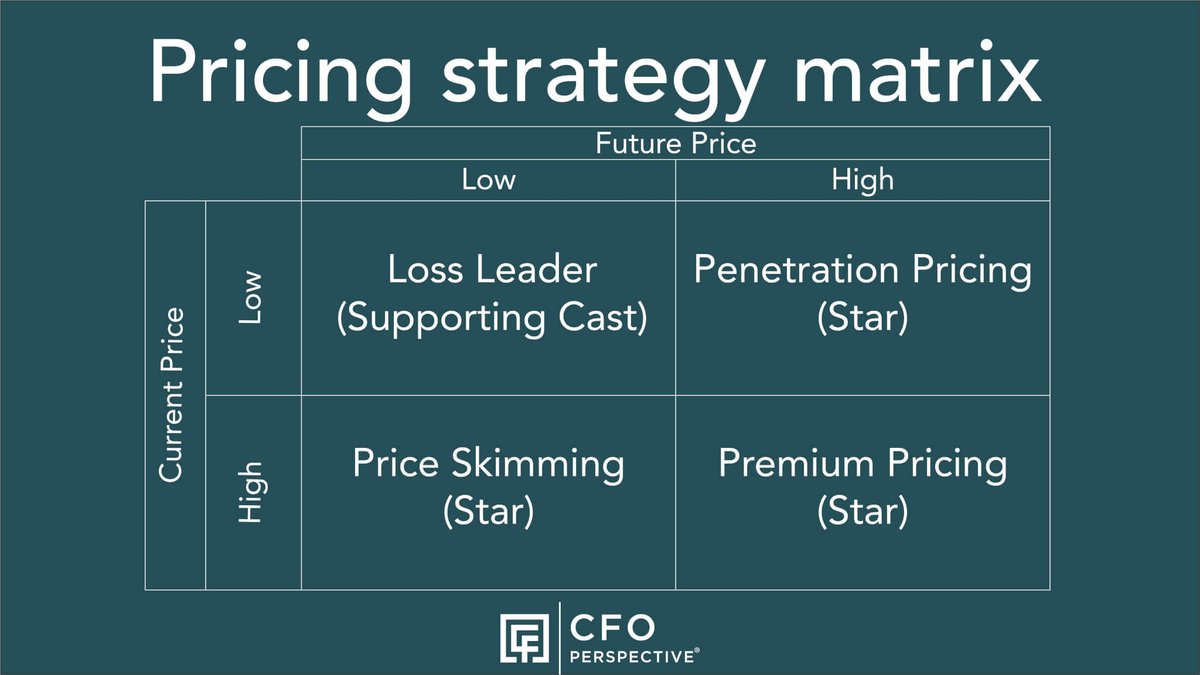
- Demand-Based Pricing (Dynamic Pricing): Adjusting prices based on consumer demand, often seen in industries like airlines or ride-sharing.
- Going Rate Pricing: Setting prices based on what competitors charge, particularly useful in mature, competitive markets where differentiation is minimal.
- Target Return Pricing: Setting prices to achieve a specific rate of return on investment or sales.
The Synergy: How Cost and Price Analysis Empower You
Individually, cost and price analysis offer valuable insights. Together, they form an almost unbeatable combination, providing a 360-degree view that empowers both buyers and sellers.
For sellers, understanding your true costs through cost analysis is non-negotiable for profitability. It tells you your absolute floor. Then, price analysis helps you position your offering strategically in the market, whether you aim for premium, competitive, or value-driven positioning. It ensures your prices are both sustainable internally and attractive externally. This combined insight helps you set optimal prices to differentiate your offerings, maximize profitability, and maintain a competitive edge.
For buyers, cost analysis (when appropriate) can help you challenge a seller's proposed price by understanding the components that drive it. Price analysis, however, is your primary tool. It allows you to benchmark proposals against the market, ensuring you pay a fair and reasonable price. This integrated approach allows businesses and government agencies to make prudent purchasing decisions, identify areas for cost reduction, and negotiate from a position of strength.
By combining these perspectives, you move beyond merely reacting to prices to actively shaping and influencing them.
Common Questions and Misconceptions
"Isn't the lowest price always the best deal?"
Not necessarily. The "best deal" is the one that offers the greatest value for your specific needs. The lowest price might come with compromises in quality, features, support, or reliability that end up costing you more in the long run. Value analysis focuses on total cost of ownership and the utility received, not just the upfront sticker price.
"My product is unique, so I don't need price analysis, right?"
Even highly unique products exist within a market context. Buyers will still compare your unique offering to alternatives that solve similar problems, even if those alternatives use different technologies. Price analysis helps you understand the perceived value and competitive landscape of these alternative solutions, informing your own pricing strategy.
"Cost-plus pricing seems simplest. Why overcomplicate it?"
While simple, cost-plus pricing can leave money on the table or price you out of the market. If your costs are high, cost-plus might make you uncompetitive. If your costs are low, you might be charging less than customers are willing to pay for the value you provide. Value-based or market-driven pricing often yields better results by aligning with customer perception and market realities.
"How much data do I really need to collect for this?"
Enough to make an informed decision with reasonable confidence. The amount varies with the complexity and value of the transaction. For simple, low-value items, quick market checks suffice. For high-value, complex procurements, a more extensive collection of pricing and, if necessary, cost data is warranted. The goal is efficiency: gather just enough data to move forward confidently.
Mastering the Negotiating Table: Best Practices
Performing thorough pricing, deals, and value analysis gives you a significant edge. Here’s how to translate that analytical power into successful negotiations and smarter strategic decisions:
- Always Do Your Homework: Never enter a negotiation without understanding the market. Who are the players? What are typical price ranges? What are the key features and benefits offered by alternatives? This research forms your baseline.
- Define Your "Minimum Needs" Upfront: Before looking at any proposals, be crystal clear about your non-negotiable requirements. This prevents scope creep and ensures you don't pay for unnecessary extras.
- Seek Multiple Bids/Proposals: Even if you have a preferred vendor, soliciting multiple bids is essential for price analysis. It establishes competitive tension and provides valuable comparative data.
- Negotiate Value, Not Just Price: Instead of just asking for a lower number, use your value analysis to propose changes that reduce cost while maintaining essential value. Can you adjust terms, delivery schedules, or specifications?
- Leverage Functional Specialists: Don't be afraid to pull in experts. Engineers, IT specialists, legal counsel, or financial analysts can provide invaluable insights into the technical feasibility, long-term implications, or true cost structures of an offering.
- Document Everything: Maintain a clear record of your analysis, including data sources, assumptions, and conclusions. This provides a clear audit trail, justifies your decisions, and builds a valuable internal knowledge base for future reference.
- Review and Adapt: The market is dynamic. What was a fair price last year might not be today. Regularly review your pricing strategies (if selling) and re-evaluate your purchasing processes (if buying) to stay agile and competitive.
Your Path to Strategic Pricing and Smart Deals
The journey to mastering pricing, deals, and value analysis is continuous. It requires curiosity, discipline, and a commitment to looking beyond the surface. Whether you're a burgeoning startup setting your first price points or a seasoned procurement professional managing multi-million dollar contracts, the principles remain the same: seek transparency, demand value, and always act as a prudent, well-informed businessperson.
By systematically applying the frameworks of value, cost, and price analysis, you empower yourself to make decisions that aren't just good, but optimal. You'll ensure every transaction contributes positively to your bottom line, fosters sustainable growth, and truly delivers fair value for all parties involved. This isn't just about saving money; it's about building a more efficient, profitable, and strategically sound operation.